Multi-Tenant SaaS Platform
Full-stack Developer
- Next.js (App Router)
- Ruby on Rails (API-only)
- Tanstack React Qeury
- JWT Authentication
- PostgreSQL
- Tailwind CSS
- TypeScript
Overview
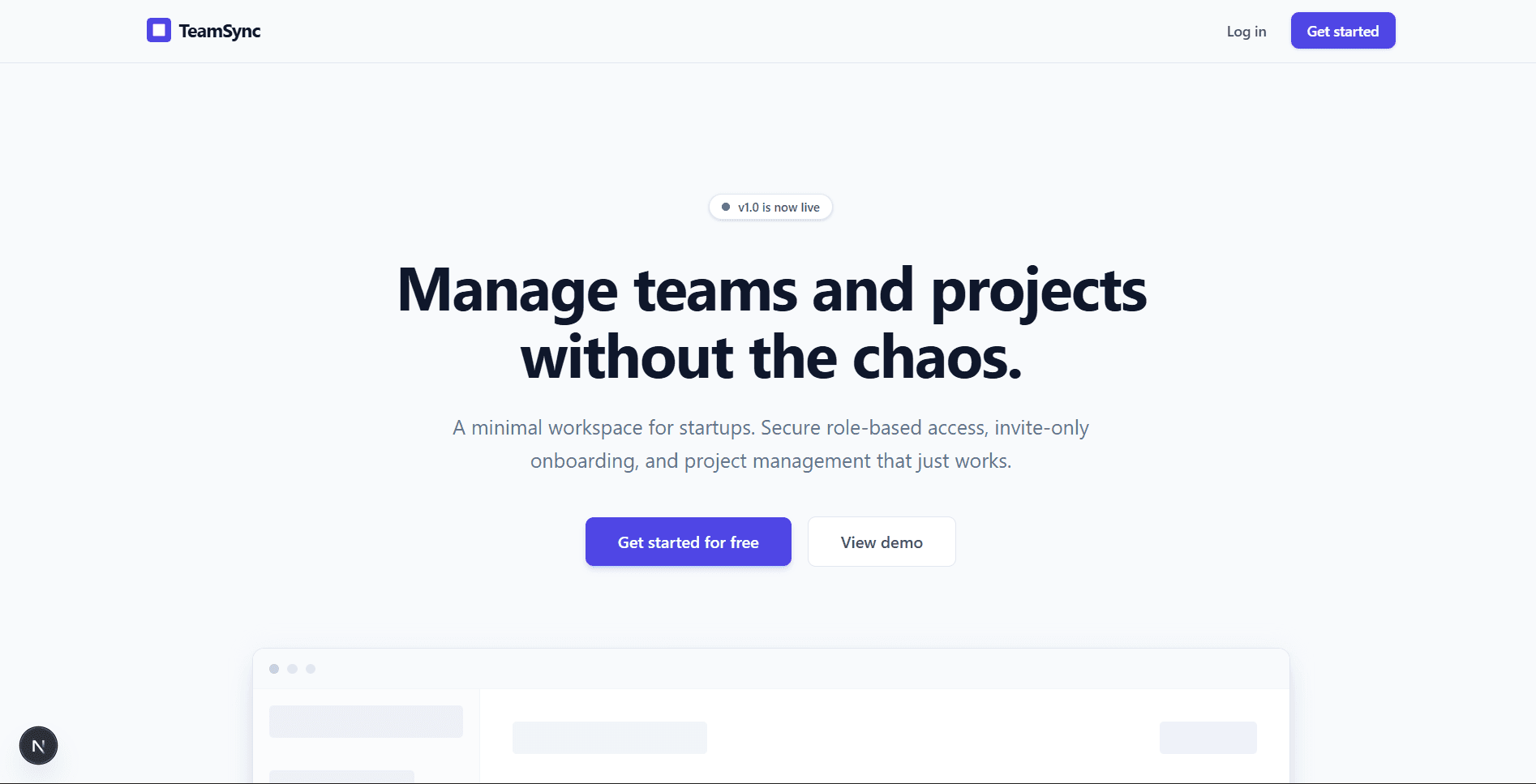
This project is a production-oriented multi-tenant SaaS platform designed to manage organizations, users, and projects with strict tenant isolation. The focus was on building real-world authentication, authorization, and onboarding flows rather than a feature-heavy demo application.
Screenshots
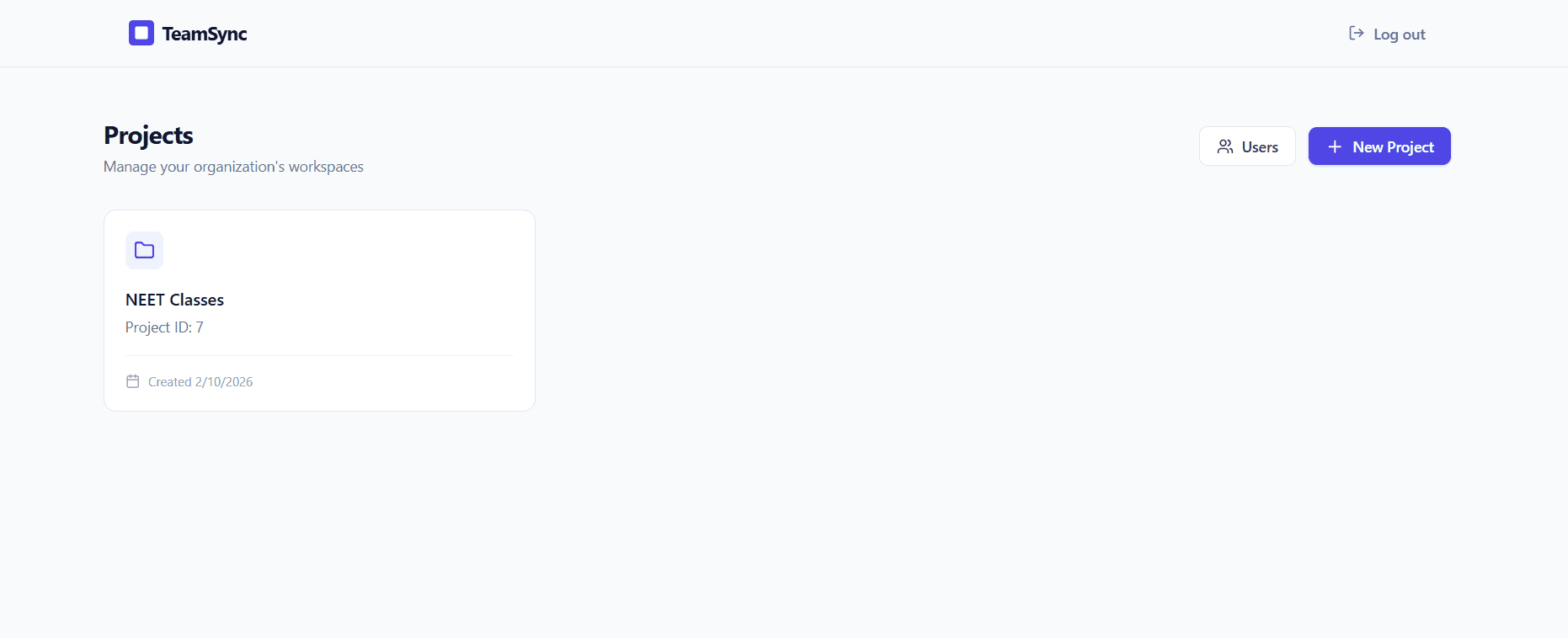
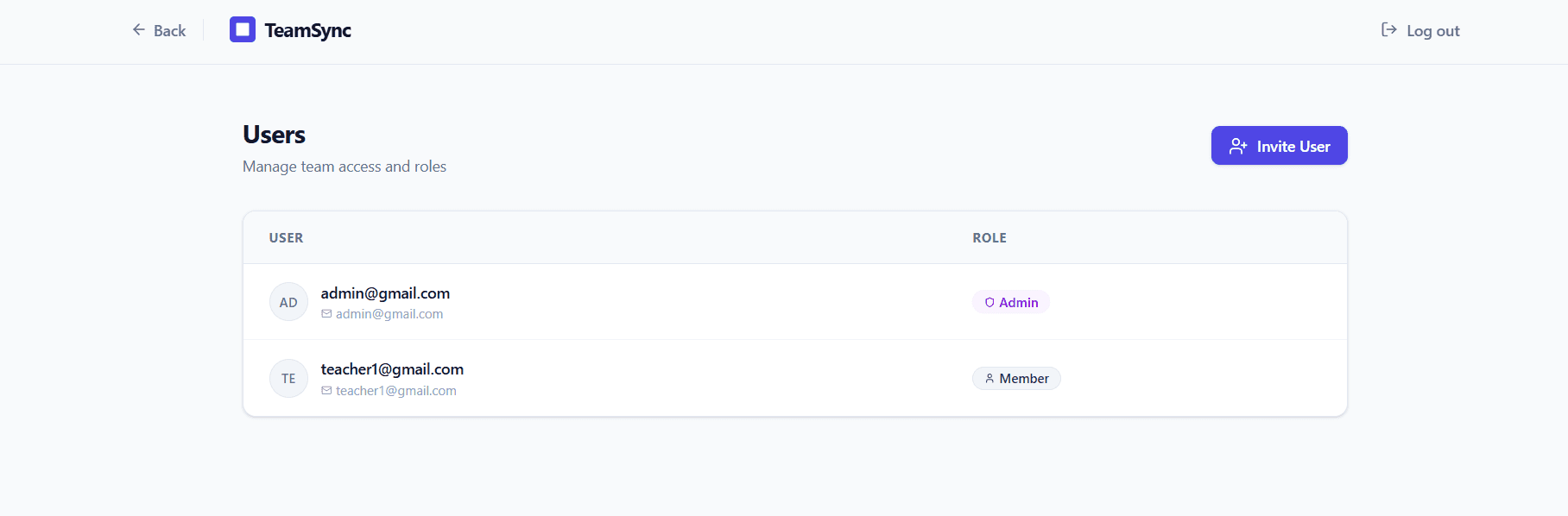
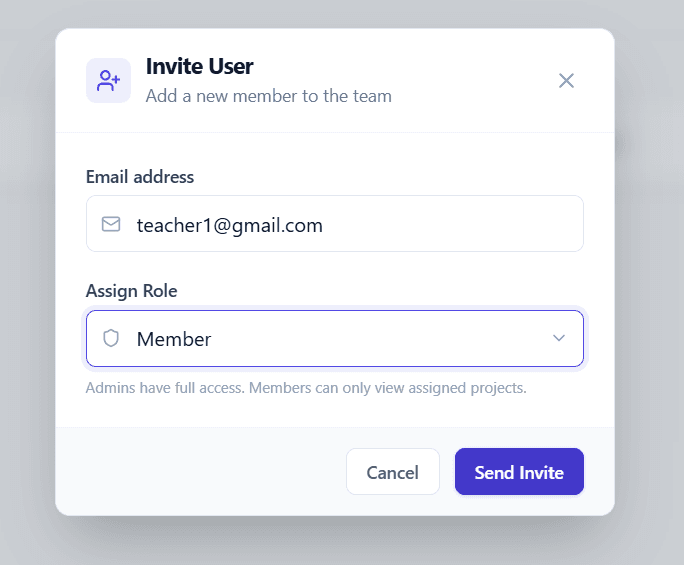
Core Capabilities
- Multi-tenant architecture with strict tenant-level data isolation
- JWT-based authentication with access and refresh tokens
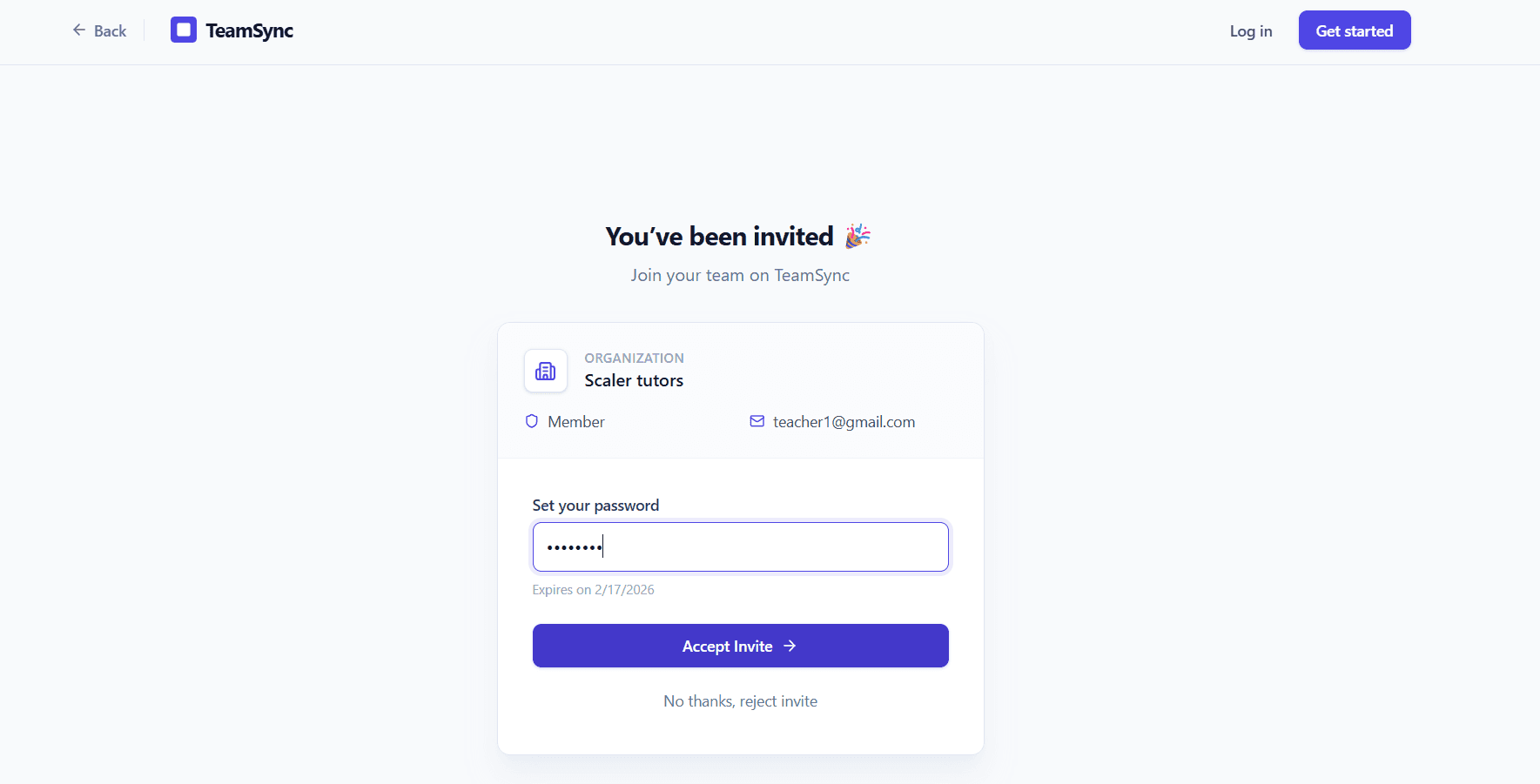
- Invite-based user onboarding with secure token validation
- Role-based access control enforced on both backend and frontend
- Permission-aware UI rendering for projects and users
Authentication & Onboarding
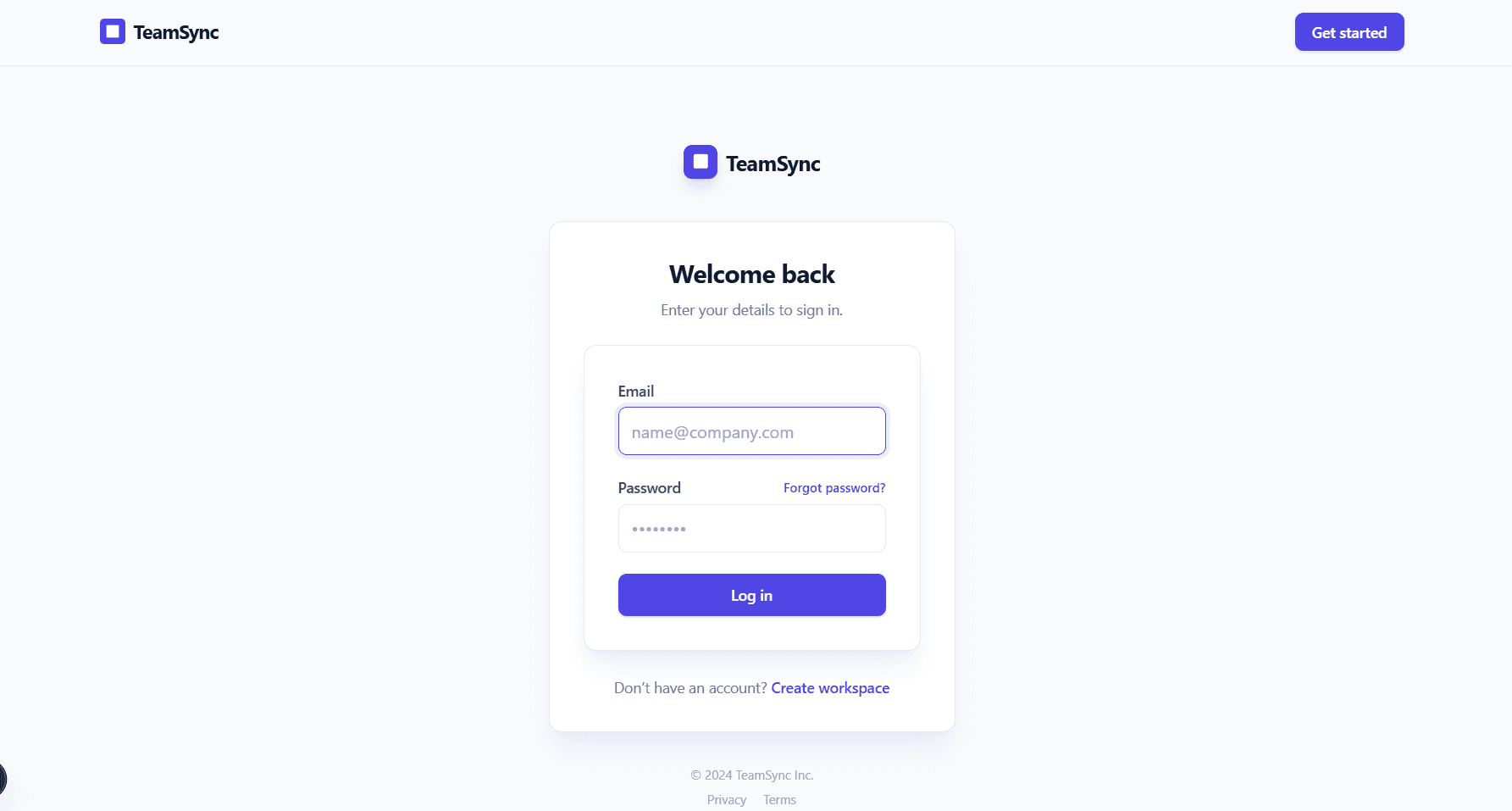
Authentication and onboarding were designed to mirror real SaaS systems. Login establishes authentication, while a dedicated session bootstrap endpoint acts as the single source of truth for user identity and permissions.
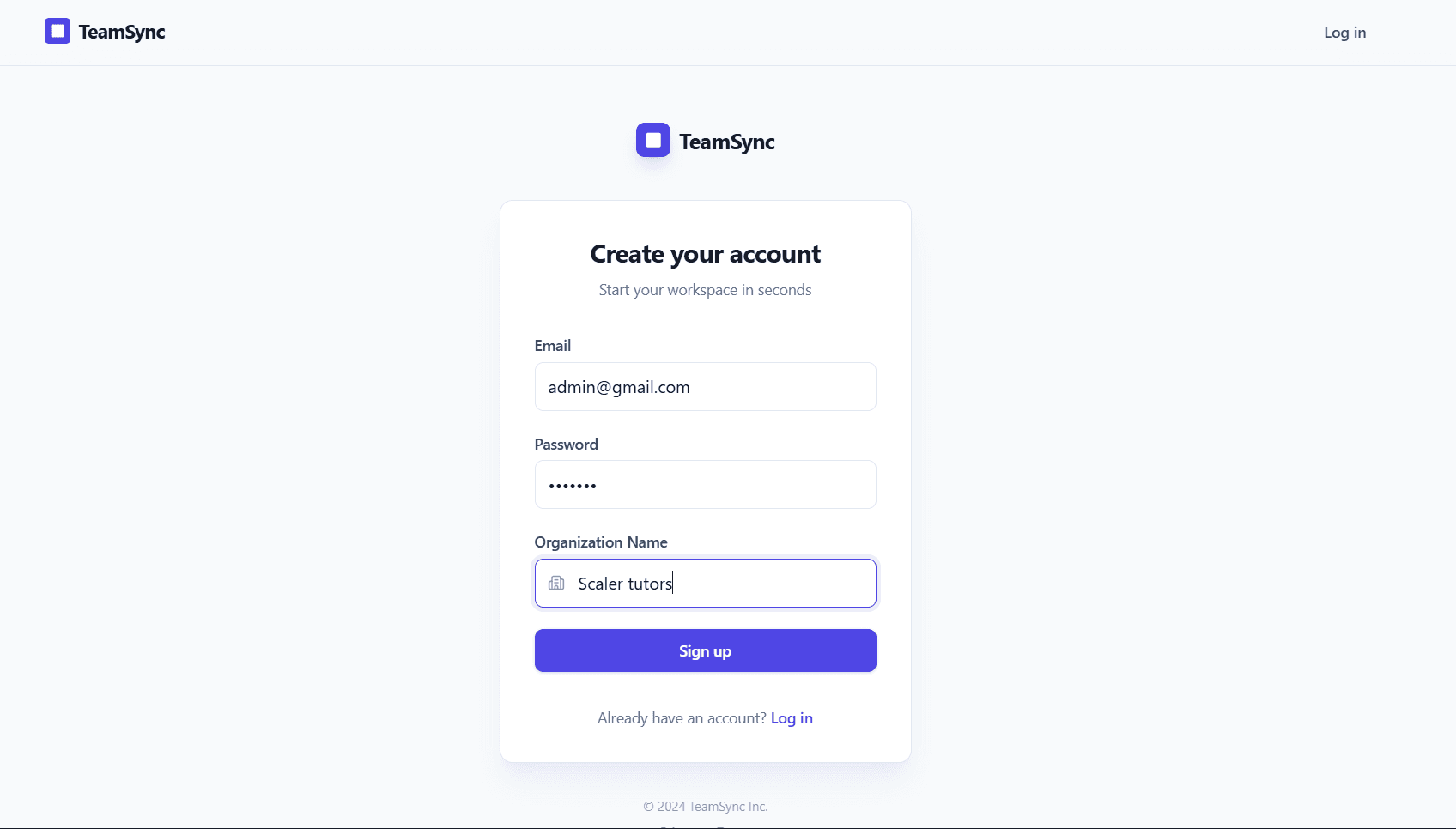
- Public signup creates a new tenant and assigns an admin role
- Admins can invite users via email with predefined roles
- Invite acceptance is handled through a public token-based flow
- Users set their password during invite acceptance
- Post-login session state is hydrated via a /me endpoint
Authorization & Permissions
Authorization is permission-driven rather than hardcoded role checks. This allows flexibility as the system grows without tightly coupling frontend logic to specific roles.
- Permissions are defined and enforced on the backend
- Frontend consumes permissions and conditionally renders actions
- Admin-only actions such as inviting users and role changes are protected
- Project-level actions respect create, read, update, and delete permissions
Frontend Architecture
The frontend was built with a strong emphasis on separation of concerns and predictable data flow, following real-world Next.js App Router patterns.
- Clear separation between public, auth, and authenticated routes
- Session bootstrap handled centrally at the layout level
- Public routes for invite acceptance and onboarding
- Reusable modal and form components with consistent UX
- Minimal global state, relying on backend as the source of truth
Backend Architecture
The backend is implemented as an API-only Rails application, focused on correctness, security, and maintainability rather than rapid prototyping.
- API-only Rails architecture with PostgreSQL
- Explicit tenant scoping for all domain resources
- Membership-based role assignment
- Invite lifecycle management (created, accepted, expired)
- Clear REST contracts between frontend and backend
Key Challenges & Learnings
- Designing invite-based onboarding without leaking authentication logic to the frontend
- Ensuring password setup during invite acceptance aligned with the existing authentication system
- Avoiding duplicated session state by using a single backend-driven /me endpoint
- Structuring frontend layouts to cleanly separate public and authenticated flows
Outcome
The final result is a clean, extensible SaaS foundation that demonstrates real-world concerns such as onboarding, access control, and tenant isolation. The system is intentionally scoped to emphasize architectural correctness, clarity of responsibilities, and maintainable frontend-backend contracts.